
ChatGPT vs. Professional Nutrition Planning: Why Personalized Guidance Wins for Your Wellness Journey
Hello, my dear fractal family! As your dedicated Functional Health Practitioner at ICONIC Human Design LLC, I'm always exploring the best ways to support you on your path to optimal health.
In this fast-paced world, tools like ChatGPT have become popular for quick answers on everything from recipes to meal ideas. Personally, I haven’t used it in a couple of years. Because when it comes to your unique wellness needs, I feel personalized, professional nutrition planning far outshines general AI which can be untrustworthy. Let me share why relying on expert guidance (like the kind I provide through tailored plans and evidence-based resources) leads to better results, more vitality, and lasting well-being until you have a mastery of your own to guide your decisions.
In my practice, I focus on holistic approaches that emphasize non-toxic, natural nutritional therapies, mindset shifts, and lifestyle changes. While AI can be fun for brainstorming, it's no substitute for the precision and care that comes from an experienced human expert that knows your Human Design. Let's break it down so you can see how this applies to your own health journey.
ChatGPT’s Limitations for Your Nutrition Needs
ChatGPT is an amazing general AI tool—it can whip up meal ideas or answer basic questions in seconds. But as someone who's seen the real impact of personalized nutrition, I know it often falls short for your specific situation. Here's why I advise caution when using it for your health:
Generic Suggestions: ChatGPT might suggest a meal plan, but it's based on broad data, not your individual health history, preferences, or goals. You end up with ideas that might not fit your life, leaving you to tweak them yourself—which can be frustrating and time-consuming.
No Personal Framework: It doesn't factor in your unique details, like allergies, dietary restrictions, or conditions such as digestive issues or energy dips. Without that, you're doing the heavy lifting to make it relevant.
Potential for Inaccuracy: AI draws from a vast but sometimes outdated or mixed pool of information. I've seen clients come to me after trying AI advice that included errors, like mismatched nutrient info or unsafe combinations. Always fact-check, but why start there when you can go straight to reliable sources?
Time and Effort Required: Customizing those outputs takes work. Instead of enjoying your wellness routine, you might spend hours refining plans that still don't quite hit the mark.
Recipe Uncertainty: AI-generated recipes sound appealing, but they haven't been kitchen-tested. They might not taste great or even turn out right, leading to wasted ingredients and disappointment.
In short, while ChatGPT is great for casual inspiration, it can't deliver the reliable, tailored nutrition support you deserve. That's where professional planning shines—helping you avoid pitfalls and focus on what truly nourishes you.
How Professional Nutrition Planning Empowers You
At ICONIC Human Design LLC, I use specialized approaches and tools designed specifically for wellness professionals like me to create plans that are as unique as you are. Think of it as a blend of cutting-edge insights, human expertise, and evidence-based resources that make your journey smoother and more effective. Unlike generic AI, my methods prioritize your privacy, personalization, and real results.
Empowering You with Health Insights
One of the things I love incorporating into your plans is clear, science-backed education about why certain foods and recipes work for you. This isn't just random facts—it's tailored insights that help you understand the "why" behind your meals, making it easier to stick with them.
Personalized Insights: I draw from a vast library of recipes and nutritional data to explain how ingredients support your goals, whether it's boosting your energy, balancing blood sugar, or enhancing heart health.
Better Adherence: When you know the benefits—like how a certain herb aids digestion—you're more motivated. Studies show this leads to stronger commitment and better outcomes.
Time-Saving for You: I handle the research, so you get the knowledge without the hassle, allowing you to focus on living your best life.
By making nutrition education accessible and relevant, I turn your plan into a collaborative adventure that builds confidence and lasting habits.
Efficient, Customized Meal Planning
Creating a plan that fits your busy schedule shouldn't be a chore. In my practice, I streamline this process to generate personalized recommendations quickly, based on your inputs like calorie needs, macros, preferences (e.g., vegan or gluten-free), and even ingredients to avoid.
Flexible Customization: We start with your details, ensuring every suggestion aligns with your lifestyle.
Ready-to-Use Plans: You'll get complete schedules, recipes, grocery lists, and prep tips—all in one go.
Real Time Savings: No endless prompting or edits needed. This means more time for you to enjoy meals that fuel your body and mind.
These plans aren't just efficient; they're built on proven recipes that taste amazing and support your wellness goals.
High-Quality, Tested Recipes You Can Trust
Quality matters, especially when it comes to what you put in your body. I curate recipes that are professionally developed, tested, and aligned with diverse needs:
Delicious and Balanced: Every one is crafted to be nutritious, flavorful, and easy to prepare.
Goal-Oriented: Whether you're aiming to reduce inflammation, support weight management, or improve gut health, the recipes are designed with purpose.
Inclusive Options: From various cuisines to skill levels, there's something for everyone, making healthy eating enjoyable and sustainable.
This ensures your meals aren't just healthy on paper—they're meals you'll look forward to, promoting better adherence and joy in your routine.
Prioritizing Your Privacy and Security
Your health information is sacred. In my work at ICONIC Human Design LLC, I adhere to strict privacy standards, ensuring everything we discuss and plan stays confidential. Generic AI like ChatGPT doesn't offer the same level of protection, which is why professional guidance is key for peace of mind.
Ready-Made Templates for Quick Wins
For those times when you need a jumpstart, I offer customizable templates for common needs, like managing diabetes, heart health, or everyday wellness. These include overviews, evidence-based tips, meal plans, recipes, and lists— all ready to adapt to you. No starting from scratch; just expert foundations you can build on.
The Risks of Going Solo with ChatGPT
I've read reports from organizations like The Royal Australian College of General Practitioners warning about AI's risks in health advice—it can be incomplete or misleading. That's why I encourage you to partner with a professional like me for accurate, safe guidance.
Why Personalized Guidance Wins for You
Here's a quick comparison to illustrate:
Feature: Personalized Meal Plans
ChatGPT: Generic, no real integration of your data
Professional Guidance: Fully tailored to your unique needs
Feature: Nutrition Education
ChatGPT: Limited or none
Professional Guidance: Clear, science-backed insights for better understanding
Feature: Time Savings
ChatGPT: Requires your edits and checks
Professional Guidance: Ready-made plans that save you effort
Feature: Recipe Quality
ChatGPT: Untested suggestions
Professional Guidance: Expertly crafted, delicious options
Feature: Templates
ChatGPT: Build from scratch
Professional Guidance: Pre-made, customizable resources
Feature: Privacy
ChatGPT: No guarantees
Professional Guidance: Secure and compliant
The difference is clear: Professional planning delivers empowerment, efficiency, and trust.
Dear Reader
While ChatGPT is a handy tool for everyday queries, it can't match the depth, personalization, and care of professional nutrition guidance. At ICONIC Human Design LLC, I'm here to help you embrace a healthier mindset, lifestyle, and diet that prevents illness and promotes vitality. If you're ready to level up your wellness, let's chat—I'm excited to create a plan that's truly yours by Design.
Remember, if you suspect any medical issue, consult your physician right away. Together, we'll focus on your holistic well-being.
Warmly,
Dr. LaVeena B. Archers,
PhD ICONIC Human Design LLC

Sporebiotics: The Next Generation of Gut Health Support – Why They’re Revolutionizing Microbiome Reconditioning
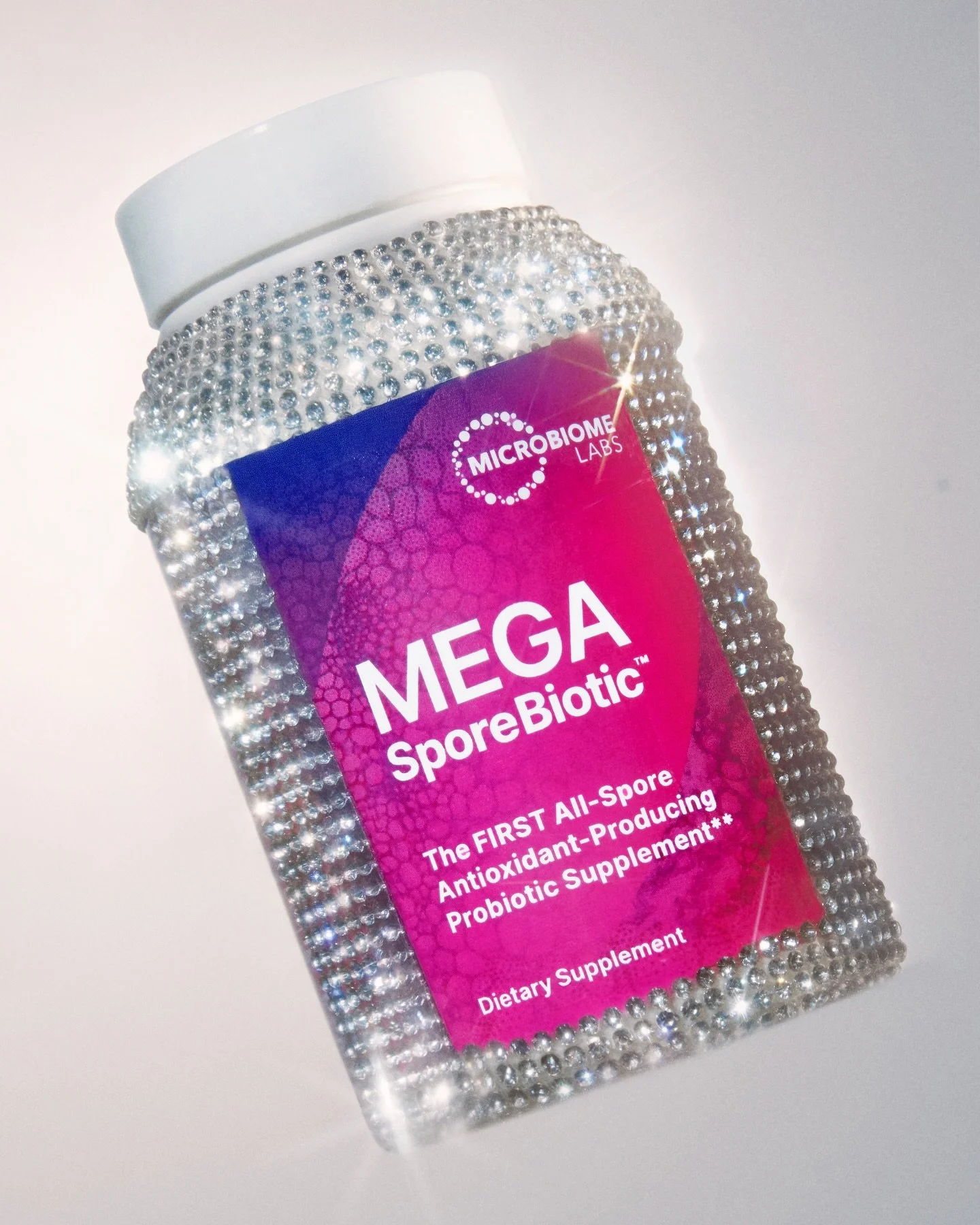
Megaspore Biotics Microbiome Labs
Why Sporebiotics are Revolutionizing how we Recondition our Microbiome
As a representative for Microbiome Labs and a current participant in Kiran Krishnan’s Microbiome Clinical Science Certification Program, I’m excited to share groundbreaking insights from recent research and clinical discussions on what many experts are calling the future of gut health: spore-based probiotics, or sporebiotics.
These aren’t just another probiotic strain—they represent a fundamental shift in how we approach microbiome support. Traditional probiotics have helped millions, but they come with a well-documented limitation that explains why benefits often fade once supplementation stops. Sporebiotics address this head-on by actively reconditioning the gut environment rather than simply adding transient bacteria.
If you’ve experienced plateauing digestive improvements, recurring symptoms after stopping probiotics, or chronic gut challenges that traditional options haven’t fully resolved, this article will explain why sporebiotics may be the missing piece. Let’s dive in.
The Hidden Limitation of Traditional Probiotics Most People (Even Professionals) Miss
Research consistently shows that common probiotic strains—typically Lactobacillus and Bifidobacterium species—are transient residents in the gut. They appear in stool samples within 1–2 days of starting supplementation, but levels decline rapidly after discontinuation.
In many cases:
Detectable levels return to baseline within 3–6 days.
Very few (if any) remain after 1–2 weeks.
This doesn’t mean traditional probiotics “don’t work.” While present, they can produce beneficial metabolites, compete with pathogens, and modulate immune responses, leading to meaningful short-term relief in bloating, regularity, and overall digestion.
However, it explains a common frustration: improvements often plateau or disappear once you stop taking them. The gut ecosystem reverts because these strains don’t typically colonize long-term or fundamentally alter the underlying intestinal environment in individuals with dysbiosis, inflammation, or low microbial diversity.
This transience stems from colonization resistance—the gut’s natural defense mechanisms that favor established resident microbes over newcomers, especially in a compromised or inflamed terrain.
What Makes Sporebiotics Fundamentally Different
Sporebiotics, primarily from the Bacillus genus (e.g., Bacillus indicus, subtilis, coagulans, licheniformis, and clausii), are nature’s ultimate survivors. They form a protective endospore—a tough, dormant shell that shields them from extreme conditions.
This spore coat allows them to:
Survive stomach acid (pH as low as 1–2).
Withstand bile salts and digestive enzymes.
Resist heat, desiccation, and even antibiotics in many cases.
Once they reach the small and large intestines (where conditions are more favorable), the spores germinate into their active vegetative form. There, they exert powerful functional effects without needing to permanently colonize like some might expect.
Popular formulations like Microbiome Labs’ MegaSporeBiotic deliver 4–5 billion spores per dose from these precisely selected strains, chosen for their synergistic benefits and extensive clinical validation.
In short: Traditional probiotics often act like temporary visitors. Sporebiotics function more like skilled ecological engineers—arriving equipped to improve the habitat itself.
How Sporebiotics Recondition the Gut Environment
The most profound difference is that sporebiotics don’t just “add good bacteria.” They actively restore conditions that allow your native beneficial microbes to thrive.
Many people with chronic digestive issues have an intestinal environment marked by:
Chronic low-grade inflammation.
Compromised gut barrier (leaky gut).
Reduced microbial diversity.
Overgrowth of opportunistic or pathogenic organisms.
Spore-forming Bacillus strains help address these root issues through multiple mechanisms:
Production of digestive enzymes and beneficial metabolites: They secrete proteases, amylases, and other enzymes that enhance breakdown of proteins, fats, and carbohydrates, improving nutrient absorption and reducing undigested food that feeds dysbiosis.
Support for butyrate and short-chain fatty acid (SCFA) production: While some strains directly contribute, their primary role is boosting populations of butyrate-producing bacteria (e.g., via increased Firmicutes, Akkermansia muciniphila, and others). Butyrate fuels colonocytes, reduces inflammation, and strengthens the gut lining.
Reinforcement of tight junctions and barrier integrity: Studies show improvements in gut permeability markers, helping seal “leaks” that allow endotoxins to enter the bloodstream.
Quorum quenching: Bacillus species produce enzymes (like lactonases) that degrade quorum-sensing signals used by harmful bacteria to coordinate virulence and biofilm formation. This “silences” pathogens without broad-spectrum killing, allowing beneficial microbes to regain dominance.
Immune modulation and diversity enhancement: They promote a shift toward a healthier Firmicutes:Bacteroidetes ratio, increase overall microbial diversity, and support secretory IgA (sIgA) production—the gut’s first line of mucosal defense.
The result? A reconditioned gut ecosystem where beneficial microbes can re-establish and stabilize naturally. This is why effects often persist longer than with traditional probiotics.
Clinical Outcomes: What the Research Shows
The research presented in Kiran’s program (and backed by peer-reviewed studies) demonstrates consistent, meaningful benefits across key areas. Here are highlights from human and in vitro trials, many involving Microbiome Labs’ spore-based formulas:
Gut Health and Digestive Function
Reduced incidence and duration of antibiotic-associated diarrhea (AAD).
Significant improvements in bloating, gas, abdominal discomfort, and stool consistency.
Enhanced quality of life and symptom scores in IBS populations (e.g., one study with Bacillus subtilis strains showed notable relief in GI symptoms).
Gut Barrier and Metabolic Health
Strengthened intestinal barrier function and reduced gut permeability.
Up to 42% reduction in post-meal endotoxin (lipopolysaccharide) exposure in a landmark 2017 randomized trial (McFarlin et al., World Journal of Gastrointestinal Pathophysiology). This is critical, as dietary endotoxemia drives systemic inflammation.
Up to 24% reduction in triglycerides in the same study, alongside improved metabolic markers.
Increased SCFA production (including support for butyrate), which regulates hunger signals, glucose metabolism, and inflammation.
Immune Support
Increased secretory IgA production (one B. subtilis strain study showed ~65% increases in fecal and salivary sIgA).
Better immune regulation and reduced inflammatory signaling (e.g., modulation of cytokines like IL-17, TNF-α).
Support for overall mucosal immunity, with potential benefits extending beyond the gut (e.g., fewer respiratory symptoms in some trials).
Additional in vitro SHIME® model studies (simulating the full human GI tract) with five-strain Bacillus formulations showed:
Increased bacterial diversity.
Elevated propionate and beneficial shifts in microbiota composition (higher Akkermansia, Bifidobacteria; lower opportunistic species).
Reduced harmful metabolites like ammonium and lactate.
These aren’t just lab findings—real-world clinical observations align strongly.
A Compelling Clinical Case from the Field
One recent case reviewed in the certification program stood out: An individual struggling with severe digestive dysfunction—experiencing 10 to 20 bowel movements per day—had limited success with traditional probiotics. After introducing a targeted spore-based protocol, they saw significant improvement within just a few weeks: normalized frequency, reduced urgency, and dramatically better quality of life.
This isn’t anecdotal hype; it reflects how sporebiotics can succeed where others fall short by addressing the dysfunctional environment rather than just supplementing bacteria.
Sporebiotics Complement, Don’t Replace, Traditional Probiotics
This isn’t an “either/or” conversation. Traditional probiotics remain valuable for targeted reseeding in certain contexts (e.g., post-antibiotics in healthy guts or specific strain benefits). Sporebiotics shine particularly when the goal is long-term ecosystem restoration—especially in chronic cases involving barrier dysfunction, inflammation, or dysbiosis.
Many practitioners now use them together in protocols (e.g., Total Gut Restoration approaches) for synergistic effects.
The Evolving Science of the Microbiome – And Why Timing Matters
Our understanding of the microbiome continues to evolve rapidly. We now recognize that a healthy gut isn’t just about “more good bacteria” but a balanced, resilient ecosystem capable of self-regulation.
Spore-based probiotics represent a promising, rapidly advancing area of research. Their greatest value lies in appropriate clinical application based on individual physiology, symptoms, and testing.
As someone passionate about root-cause approaches through Human Design and functional wellness, I’ve seen how the right tools at the right time transform outcomes. If you’re dealing with persistent gut issues, plateaued progress, or want to optimize your microbiome proactively, sporebiotics deserve serious consideration.
I’d love to hear your experiences or questions in the comments below. Are you currently using probiotics? Have you tried spore-based options?
For personalized guidance, product recommendations (including Microbiome Labs formulations), or to explore how this fits your unique Human Design and health profile, reach out via DoctorArchers.com or schedule a consultation. I’m here to help you reclaim vibrant health for longevity.
Here’s to a reconditioned, thriving microbiome; one sporebiotic at a time.
Dr. LaVeena Archers, PhD
ICONIC Human Design | Microbiome Labs Representative
References & Further Reading (key studies mentioned):
McFarlin BK, Henning AL, Bowman EM, Gary MA, Carbajal KM. Oral spore-based probiotic supplementation was associated with reduced incidence of post-prandial dietary endotoxin, triglycerides, and disease risk biomarkers. World Journal of Gastrointestinal Pathophysiology. 2017;8(3):117-126. doi:10.4291/wjgp.v8.i3.117. Read the full open-access study (PMC)(The landmark human trial showing 42% reduction in post-prandial endotoxin and 24% reduction in triglycerides after 30 days of spore-based supplementation.)
Catinean A, Neag MA, Nita A, Buzea M, Buzoianu AD.Bacillus spp. Spores—A Promising Treatment Option for Patients with Irritable Bowel Syndrome. Nutrients. 2019;11(9):1968. doi:10.3390/nu11091968. Read the full open-access study (MDPI)(Randomized trial demonstrating sporebiotics significantly improved quality of life scores in IBS patients compared to rifaximin + nutraceuticals or low-FODMAP diet.)
Marzorati M, Van den Abbeele P, Bubeck S, Bayne T, Krishnan K, Young A, DeSouza A. Treatment with a spore-based probiotic containing five strains of Bacillus induced changes in the metabolic activity and community composition of the gut microbiota in a SHIME® model of the human gastrointestinal system. Food Research International. 2021;149:110676. doi:10.1016/j.foodres.2021.110676. Read the abstract (PubMed) | Full text (ScienceDirect)(The key in-vitro SHIME® study on MegaSporeBiotic showing increased microbial diversity, elevated beneficial metabolites like propionate, higher Akkermansia and Bifidobacterium, and reduced harmful compounds.)
Lefevre M, Racedo SM, Ripert G, et al. Probiotic strain Bacillus subtilis CU1 stimulates immune system of elderly during common infectious disease period: a randomized, double-blind placebo-controlled study. Immunity & Ageing. 2015;12:24. doi:10.1186/s12979-015-0051-y. Read the full open-access study (PMC)(The 2015 trial showing B. subtilis CU1 increased fecal and salivary secretory IgA by ~65% and 45%, respectively, supporting enhanced mucosal immunity.)
Multiple reviews on Bacillus spore survivability and mechanisms: Elshaghabee FMF, Rokana N, Gulhane RD, Sharma C, Panwar H. Bacillus As Potential Probiotics: Status, Concerns, and Future Perspectives. Frontiers in Microbiology. 2017;8:1490. doi:10.3389/fmicb.2017.01490. Read the full open-access review (Frontiers)(Comprehensive overview of spore-forming Bacillus as probiotics, including acid/bile resistance, colonization behavior, and functional mechanisms.)
Always consult your healthcare provider before starting new supplements, especially if you have underlying conditions.